As B.C. expands its renewable energy supply, people in communities where wind energy projects are proposed may have questions about how projects are reviewed and what rights landowners have if a project is proposed on or near their property.
In 2025, the BC Energy Regulator (BCER) began regulating wind and solar projects under a new renewable energy regulatory framework. Its role includes permitting and overseeing these projects under the Renewable Energy Projects (Streamlined Permitting) Act.
The BCER serves as a single-window regulator, coordinating technical reviews, consultation processes, permitting decisions and compliance oversight for renewable energy projects. This approach helps streamline permitting while maintaining strong standards for public safety, environmental protection and engagement with First Nations, landowners, local governments and communities, including clear information about whether developers have access to private land.
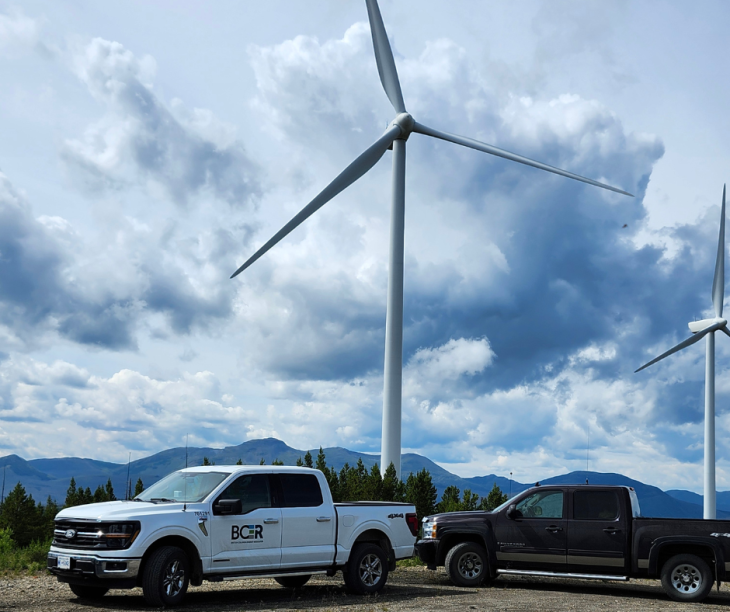
What does the BCER review?
Before a renewable energy project can proceed, proponents must meet regulatory requirements related to:
- Environmental protection
- Public safety
- Engineering integrity
- Wildlife considerations
- Cumulative effects
- First Nations consultation and engagement
- Consultation and notifications to landowners, rights holders and local communities
The BCER's oversight continues throughout a project's lifecycle, including compliance verification and enforcement activities where required.
When can wind energy projects access private land?
For renewable energy projects, private land can only be used with the landowner’s permission.
- A formal agreement is required. If a wind turbine or related project infrastructure is proposed on private land, the proponent must reach an agreement with the landowner before the land can be used.
- Landowners can choose whether to agree. Unlike oil and gas development, wind and solar project proponents do not have a right of access to private land.
- Nearby landowners may still be consulted. Even if infrastructure is not proposed on their property, nearby landowners may have questions or concerns about a project.
- Engagement may happen early. Required consultation and notification typically begin while proponents prepare a renewable energy facility application, but many proponents engage landowners and First Nations earlier as a best practice.
Building B.C.'s energy future
The BCER is committed to regulating energy activities in a manner that protects public safety, safeguards the environment and supports meaningful engagement with communities. Our role is to provide consistent, evidence-based regulatory oversight while ensuring renewable energy projects are reviewed through a transparent and accountable process.