Solar energy can help power B.C.’s future by supporting clean electricity, growing community needs and responsible energy development.
Solar energy is a form of renewable energy that uses sunlight to generate electricity. Because sunlight is a natural, sustainable resource that replenishes on its own, solar power can help meet energy needs without depleting the source.
Why Solar Energy Matters in B.C.
B.C. residents and the provincial economy rely on access to low-cost, reliable electricity. Solar energy development drives economic growth and helps meet growing electricity demand while contributing to a cleaner, more diverse and resilient energy system.
Solar energy can:
- Support climate goals by expanding low-emission electricity
- Help meet growing electricity demand in communities across B.C.
- Diversify the province’s renewable energy mix
- Create economic and partnership opportunities for First Nations and local communities
Early-Planning Process: Investigative Use Licence (IUL)
Before a solar project can move forward, companies may need to study potential sites on Crown land to better understand local conditions, including sun exposure, land characteristics and overall site suitability.
To carry out this early work on Crown land, companies may apply for an Investigative Use Licence (IUL) under the Land Act.
An IUL is a distinct, early-planning authorization that allows limited, temporary activities to inform project planning. It does not authorize construction or operation.
Because IUL activities are preliminary, generally low impact and short term, they are considered separately from applications for full project development.
How Solar Projects Are Regulated
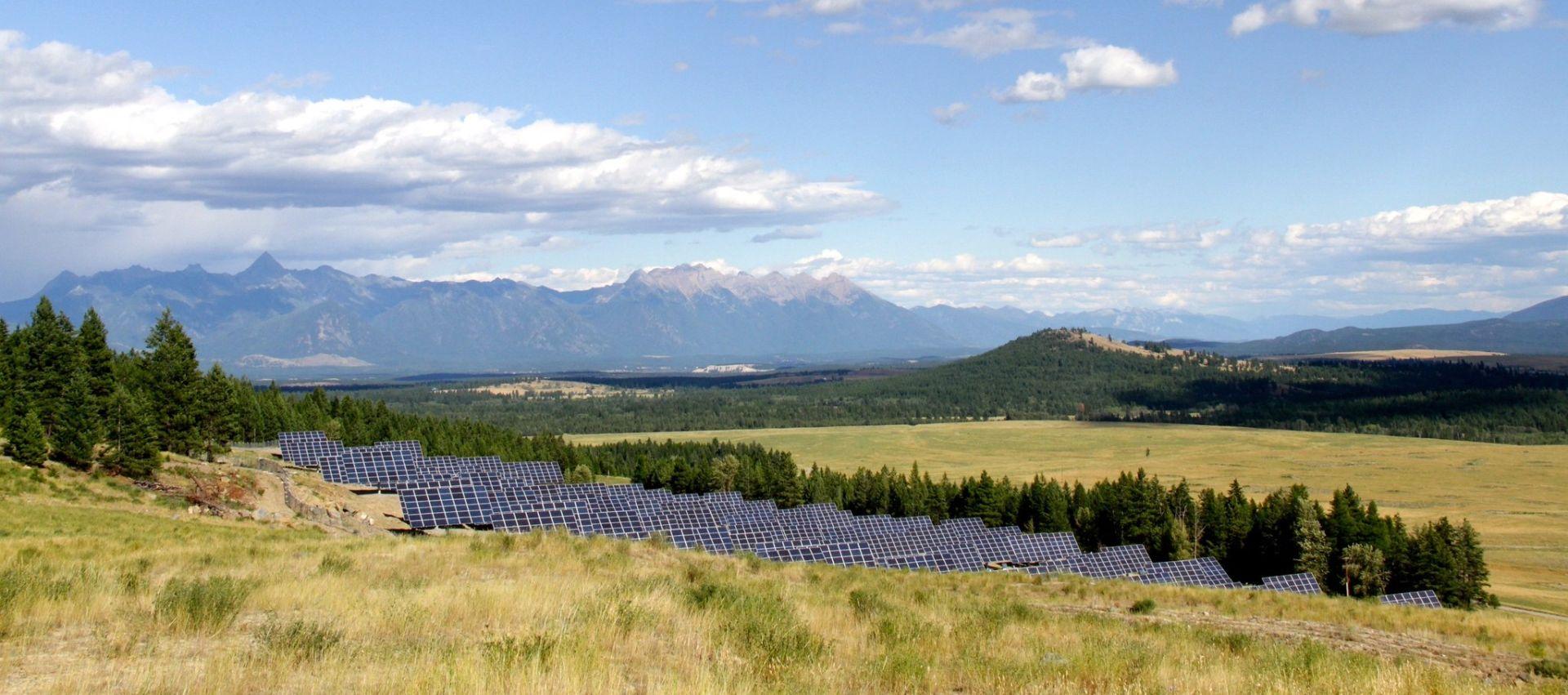
If a high-output (above five megawatts) solar project proceeds to development, authorizations for facilities such as solar panel arrays related electrical infrastructure, access roads and supporting works are required under the Energy Resource Activities Act (ERAA). Solar energy projects may also be reviewable under the Environmental Assessment Act, depending on their project characteristics.
The Renewable Energy Projects (Streamlined Permitting) Act expanded the BCER’s authority as the single-window regulator to include wind and solar projects, supporting a more efficient permitting and development pathway while maintaining robust regulatory standards.
- Learn more about this change in the BCER’s regulatory update on renewable energy projects.
- Get a quick visual overview in the Factsheet on renewables, wind and solar energy (PDF).
When reviewing solar project applications, the BCER considers important values such as heritage features, wildlife habitat, water resources, drainage patterns and agricultural land use. Reviews may also consider project-specific factors such as the location and layout of solar panel arrays, access roads, related electrical infrastructure and how the project avoids or minimizes impacts to surrounding land uses. Once a project is operational, the BCER maintains oversight through inspections, compliance verification tools and enforcement mechanisms to ensure the project follows permit conditions and legislative requirements.
At the end of a project’s operational life, sites must be decommissioned and restored.