Overview
The Renewable Energy Projects (Streamlined Permitting) Act received Royal Assent on May 29, 2025. On December 15, 2025, Provincial Order in Council 585/2025 gave the BCER authority to regulate renewable energy projects under the Energy Resource Activities Act (ERAA), enabling the full lifecycle of these projects.
In preparation for this expanded role, and informed by engagement with First Nations, rights holders, and other interested parties, the BCER developed the Renewable Energy Projects Regulation (REPR), which came into force on March 10, 2026.
The BCER continues to invite dialogue with all interested parties as we work to develop guidance and policy materials in support of REPR implementation.
Current Engagement: Regulatory Framework Implementation
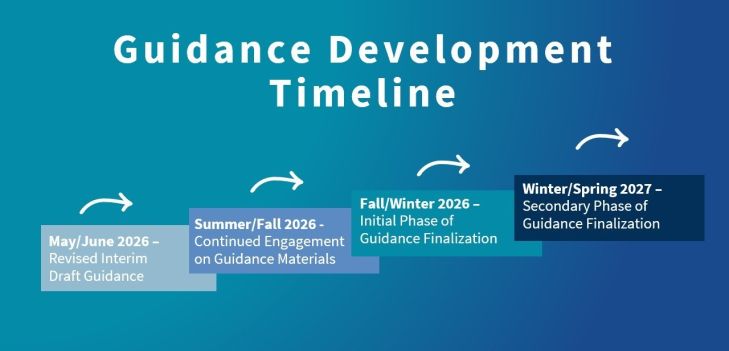
The BCER is continuing to accept feedback on the Interim Guidance for Renewable Energy Permit Applications (PDF). This phase builds on earlier engagement and supports implementation of the renewable energy regulatory framework.
As implementation continues, the BCER will update guidance as needed to clarify requirements, respond to feedback and address emerging issues, giving interested parties opportunities to provide feedback as guidance evolves.
The BCER will also seek feedback on supporting materials related to implementation. These materials will be shared with key interested parties who have expressed prior interest and posted on this page as they become available.
Land Use Operational Policy - Wind and Solar projects
- The BCER is seeking feedback on how the existing Land Use Operational Policy – Wind Power Projects applies to renewable energy projects under the Land Act.
- Feedback is invited on land allocation and tenure administration processes, including disposition models, exclusivity, assignment and sub-tenuring and related topics.
- The BCER is considering an early amendment to the REPR related to fees for Investigative Use Licences for renewable energy projects. The potential amendment would cap fees at $52,500 for licences longer than two years, providing clarity about the maximum fee that can be assessed.
- The BCER will also review fees for Investigative Use Licences as part of reviewing the application of the existing Land Use Operational Policy – Wind Power Projects to ensure fees reflect the current cost of regulatory oversight.
- Learn more and view full engagement details (PDF).
- Feedback is welcome until September 30, 2026. [EXTENDED]
Please submit questions or written feedback to info@rep-spa.ca.
DRAFT Wildlife Act Guideline
- The interim guideline outlines the steps and information requirements for submitting Wildlife Act applications for renewable energy projects through the BCER's Application Management System (AMS).
- Feedback is welcome until July 31, 2026. [CLOSED]
Provincial legislation provides the BCER Board of Directors authority to make regulations regarding the management of a range of policy issues. Prior to Board approval of a regulatory proposal, there are several key steps with engagement touchpoints throughout the process. These include:
- Issue identification
- Statement of policy intentions (Initial Engagement)
- Identification of policy options
- Statement of proposed regulatory policy (Secondary Engagement)
- Drafting and approval of final regulation
The issue identification step involves outlining the core policy issues that are to be managed. For each issue identified, the BCER provides an “Intentions Statement” articulating high-level direction to manage the issue. The BCER engages on these “policy intentions” to validate the scope of the regulatory framework, hear from interested parties regarding priority issues, and explore initial options for the management of such issues.
Identification of policy options requires identifying specific approaches to manage each policy issue identified. Feedback from engagements is a critical input to this analysis, ensuring recommended options consider the needs and preferences of potentially impacted parties.
Once recommended options have been identified and documented, the BCER will provide additional engagement opportunities on the proposed regulatory policy. Following these engagements, the BCER will seek endorsement of the regulatory policy from the BCER Board of Directors before working with the Ministry of Attorney General to draft the final regulation. Once the final regulation is approved by the BCER Board of Directors, it will be brought into force and implemented through the introduction of new guidance and manuals, updates to application and oversight systems, and the development of policies and standard permit conditions for areas outside of the scope of the regulation.
Written feedback for the initial engagement phase closed on Aug. 1, 2025. BCER Staff received feedback from First Nations, industry, local governments and other interested parties in response to our engagement on policy intentions. These comments and submissions, along with direct feedback from engagement sessions, have informed the development of the regulatory policy proposed in the Secondary Engagement Phase. The following information has been retained for archival purposes only:
The Renewables Framework: Policy Intention document below outlines key policy issues the BCER will consider within the regulatory framework for wind and solar projects. It contains a description of the issue under consideration, a statement of the BCER’s policy intention relating to it, and a set of potential options to illustrate the different ways in which the issue could potentially be managed.
Click the image below to open the PDF document:
Public engagement on the discussion paper has closed. Please submit any feedback to info@rep-spa.ca. We will continue to review and consider feedback received as we move to the next stage of regulatory development. The following information has been retained for archival purposes only:
The BCER is currently accepting feedback regarding proposed regulatory policy for the lifecycle oversight of renewable energy projects. Regulatory policy proposals are available for your review in the Proposed Regulatory Policies for Renewable Energy Projects discussion paper below. This discussion paper builds on the Policy Intentions document shared in the Initial Engagement Phase by outlining specific regulatory and policy interventions to achieve the policy intentions previously communicated.
The paper outlines regulatory policy to address four key thematic areas:
- Environmental Protection
- Supporting Reconciliation
- Fostering Social Well-Being
- Protecting Public Safety
The regulatory policies proposed within the paper reflect feedback from our initial round of engagement. They are informed by a comprehensive regulatory development process that involved BCER staff with backgrounds in environmental management, First Nations relations, community engagement and engineering.
At this stage, we are seeking additional feedback from First Nations and key interested parties regarding the potential impacts of the proposed regulatory policy. This feedback will inform the final regulatory policy proposal considered by the BCER Board of Directors later this fall.
We have provided a separate document for providing feedback that summarizes the proposed regulations tables from this discussion paper. Using this form is optional and it is intended to make it easier to submit specific feedback on the proposed policies.
Please submit written feedback to info@rep-spa.ca by Nov. 14, 2025.
Click the image below to open the discussion paper:
Additional Resources
As part of the regulatory framework, the BCER is developing application guidance materials to support proponents of renewable energy projects in B.C. Further information for proponents can be found here.
This presentation provides a brief introduction to who we are and what we do. It describes our single-window approach to regulating a variety of energy resource activities, including our new roles in relation to transmission lines and renewable resources, such as wind and solar.
This powerpoint presentation outlines the BCER's new streamlined permitting framework for wind and solar energy projects in British Columbia.