Aliyah’s curiosity about the natural world started early, exploring outdoors and bringing plants home from the forest to replant in her grandparents’ backyard. Now a student of Environmental Technology at Keyano College in Fort McMurray, AB, she is spending the summer with the BC Energy Regulator (BCER), honing that interest into a professional pathway through hands-on learning in environmental restoration.
A path back to the outdoors
Aliyah says choosing environmental technology felt like a natural fit (pun intended).
“I chose this field of study because ever since I was a child, I have been very enthusiastic about exploring — especially the outdoors,” she says. “The opportunity to study under this program reconnected me with what I once loved as a child while also allowing me to learn new things and view everything from a more developed scientific perspective.”
Her studies have already given her experience with real-world environmental challenges. In a recent capstone project, Aliyah and her classmates explored how biochar and alfalfa could be used to remediate diesel from water.
“As we progressed with the project, I knew that I wanted to gain more knowledge and experience in the field of remediation and restoration,” she says.
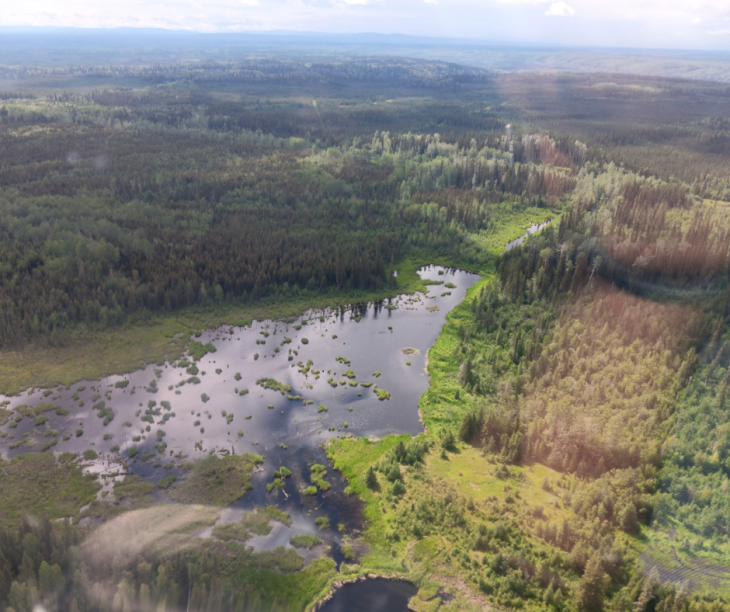
Learning through restoration work
This summer, Aliyah is working with the BCER’s Restoration and Verification Audit Program team.
Aliyah spent her first few weeks in the office reviewing files and recently had the chance to take part in fieldwork. Through the role, she is gaining experience with restoration verification and learning how environmental information is reviewed, assessed and applied.
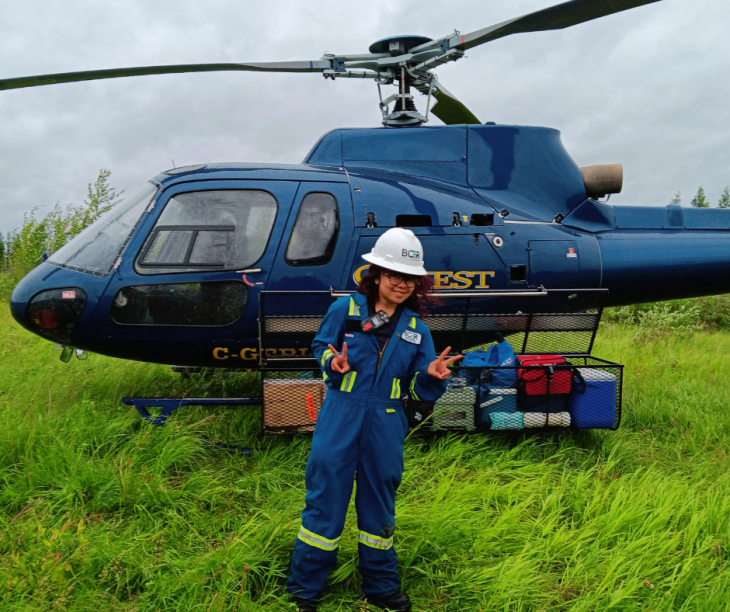
She was excited to get out in the field, examine different types of soil at various sites and learn about sampling procedures.
She was keen to learn from more experienced peers about how they determine soil properties and had the opportunity to compare their assessments with her own. This helped her establish a better baseline for examining soils during sampling.
She also values the chance to learn directly from her supervisor and coworkers.
“I get excited whenever I get to sit with my supervisor and coworkers and learn something about the process from them that I didn’t know yet,” she says.
Applying learning in the field
Since starting at the BCER, Aliyah has been learning how guidelines, regulations and site-specific standards are applied in environmental work. One example that stood out was learning how frozen soil can interfere with electromagnetic surveys, making it harder to get a clear picture of site conditions during winter.
For Aliyah, the summer role is helping connect what she has studied in school with how environmental work happens in practice.
“It serves as a robust foundation regardless of where I might want to go in the environmental field,” she says.
Summer beyond the office
Outside of work, Aliyah’s summer plans still reflect the same love of nature that first drew her to environmental studies.
On her summer bucket list: rolling around in a field full of wildflowers, going for hikes or walks, and taking photos of interesting plants she finds along the way.
About the BCER summer student program
Each summer, the BCER welcomes students into teams across the organization to gain practical experience, build professional connections and contribute to meaningful work in responsible energy regulation. Through hands-on projects, mentorship and learning opportunities, students apply their studies in a real-world setting while bringing fresh perspectives and curiosity to BCER teams.