
Katelyn’s love for science began long before she ever set foot in a lab. Raised on a farm in Nova Scotia, she spent her childhood exploring forests, caring for animals, and enthusiastically following local veterinarians around as they worked. They fed her curiosity, explaining what they were doing and letting her “help” whenever she could. Those early moments shaped her understanding of what expertise looks like, people using knowledge to solve real problems, and set her on a path toward biology.
At university, she discovered that her heart wasn’t in the physiology courses meant for veterinary school, but instead in ecology, where entire landscapes tell interconnected stories. With encouragement from professors who recognized her potential, she shifted her academic focus and quickly found opportunities to work on meaningful research. By graduation, she’d already contributed to multiple scientific publications, an achievement that gave her a strong foundation for the career she would build.
One of the most transformative experiences of her early life came when her hometown fundraised to send her to the Amazon Rainforest for a research assistant program. Living and working in such a remote, complex ecosystem was eye‑opening. It taught her how to operate in challenging field conditions and showed her how powerful community support can be. It also gave her the confidence to later accept fieldwork opportunities in Northeastern B.C., a region she would come to care about deeply.
Once in the North, she learned directly from Treaty 8 Nations, who generously shared their knowledge and perspectives. They helped her understand the land not just as habitat, but as a living system with history, meaning, and interconnected pathways. That learning would become central to the way she approaches her work today.
When Katelyn eventually joined the BC Energy Regulator, she was drawn to the organization’s practical, science‑based approach to decision‑making. She appreciated how the BCER integrates expert knowledge directly into its processes, ensuring that specialists like her can meaningfully influence outcomes on the land. Here, scientific expertise isn’t just valued; it’s embedded into how the regulator operates.
Sometimes the difference is being willing to put boots on the ground
Her role is grounded in applied biology. She reviews applications to ensure wildlife and habitat are properly considered, supports compliance teams with expert guidance, develops and maintains wildlife‑related guidelines, and collaborates with government partners, First Nations, and industry practitioners. Every day, she sees firsthand the importance of having highly knowledgeable staff at the helm of energy regulation.
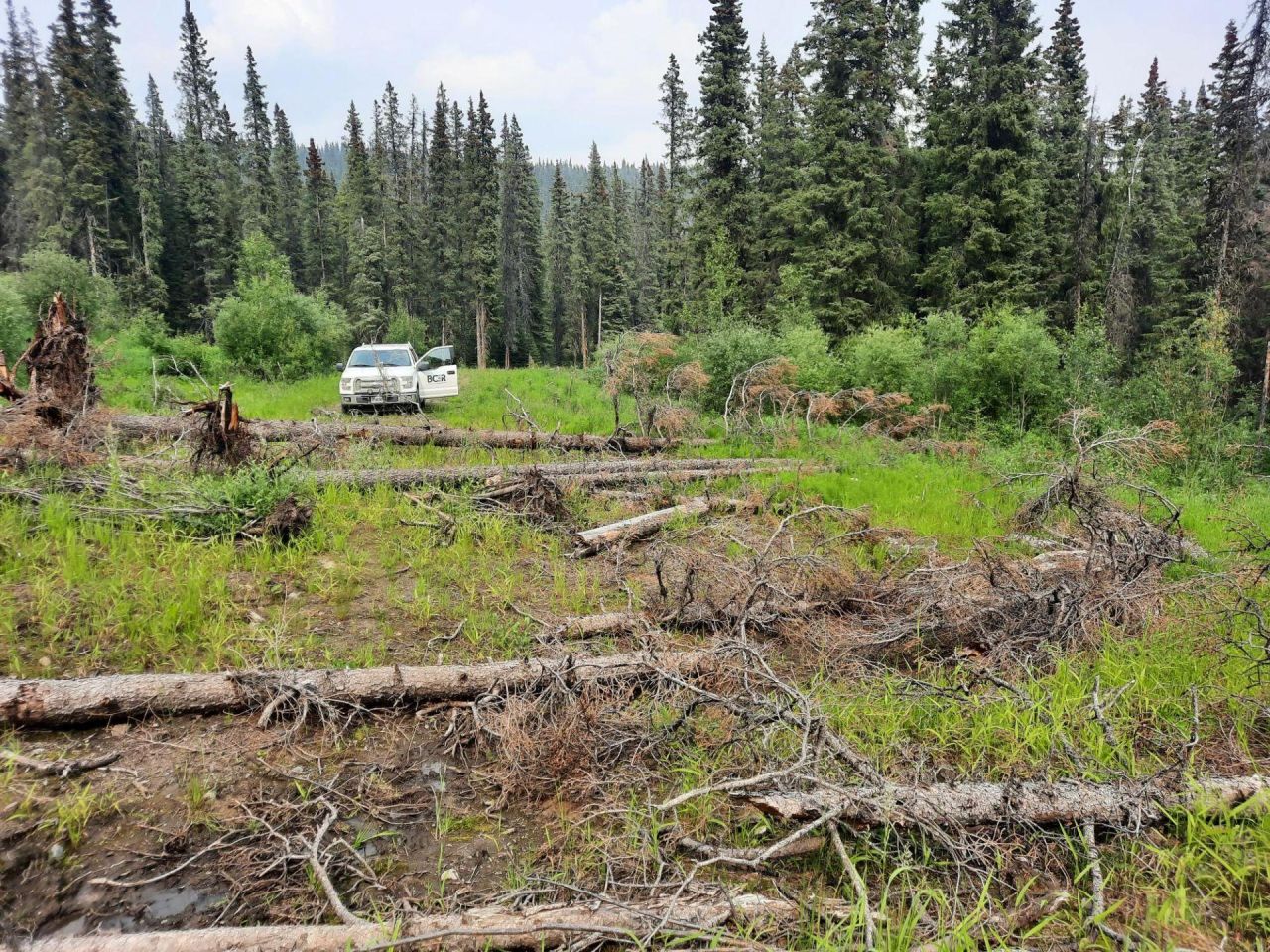
One story stands out as a reminder of why this matters. A proposed route had been planned along what looked like an existing road in mapping data. But something didn’t feel right. When Katelyn visited the site, she discovered the “road” had long since restored into vibrant bird habitat. Because the BCER has the on‑the‑ground expertise to investigate beyond the desktop, that habitat was protected. “Sometimes the difference is being willing to put boots on the ground,” she says, and the BCER ensures that its experts do exactly that.
For young women curious about science, her advice is simple: follow your curiosity and let it guide you. Biology is vast and full of possibility. And at organizations like the BCER, scientists play a crucial role in shaping development responsibly while protecting the ecosystems that sustain us all.
Published: Feb. 11, 2026